Rio Rancho or Albuquerque, Should You Sell First?
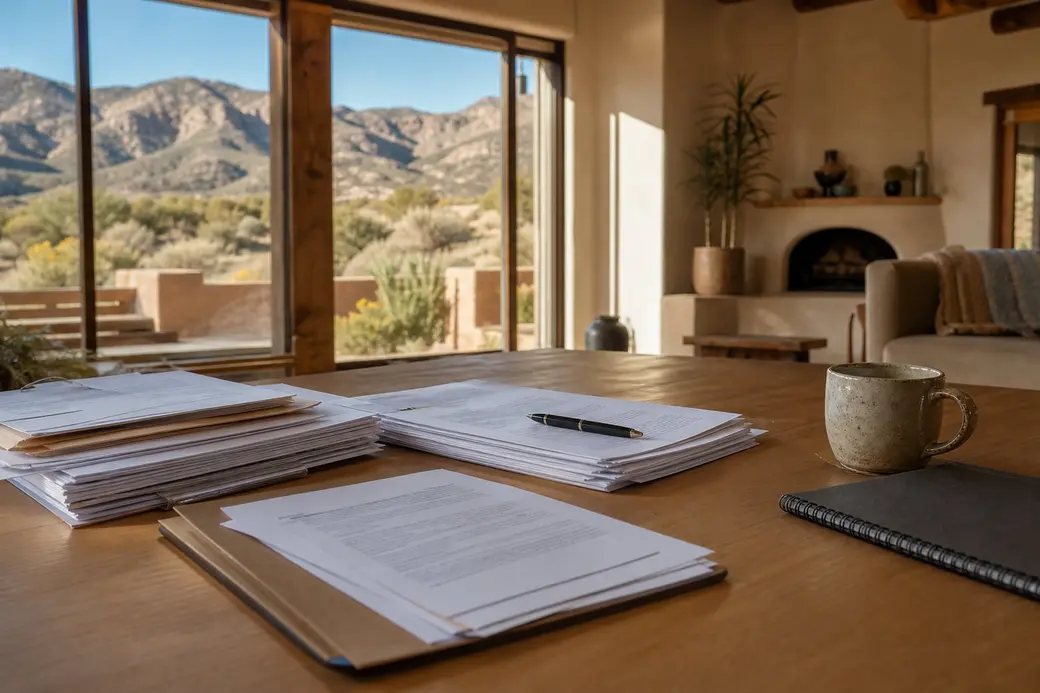
The real question is whether you can carry two housing payments if the sale takes longer than planned. If you can't, sell first or line up both closings together. If you have strong equity, cash reserves, and a lender who has approved your plan, buying first can give you more control.
Should you sell before buying in Albuquerque or Rio Rancho?
Selling first protects you from paying two housing costs at once and tells you exactly how much equity you'll have to work with. Buying first gives you more control over the next home and your move date. In Rio Rancho and Albuquerque, the right order comes down to your equity, your loan qualification, how quickly your current home will sell, and the contract terms you can get on both sides. If you can't comfortably carry two payments, selling first or coordinating both closings is the safer path.
Key Takeaways
- Selling first gives you a known sale price and released equity, but you may need temporary housing or a rent-back period after closing.
- Buying first keeps your options open on location, floor plan, and move date, but your lender must be able to qualify you with your existing mortgage still in place.
- Rio Rancho and Albuquerque are separate submarkets in the Greater Albuquerque Association of REALTORS® (GAAR) reporting, so a move between them means pricing two different transactions.
- A sale contingency can tie your purchase to your sale, but it only helps if the seller of the home you want is willing to accept it.
- Your equity, your loan approval, and your listing timeline matter more than any rule of thumb about which order is "better."
What does selling first look like in Rio Rancho and Albuquerque?
Selling first means you list and close on your current home before you commit to the next one. You know your sale price, your equity is in hand, and you only have one housing payment at a time.
The tradeoff is timing. If you sell quickly and haven't found a replacement, you need somewhere to live in the meantime. I walk my clients through that before we ever list, because the plan has to work on the back end too.
The upside of selling first
- No overlapping payments. You aren't paying a mortgage on a home you've already moved out of.
- A clear budget. You shop knowing your real proceeds, not an estimate.
- Stronger offers. A buyer with no home to sell is easier for a seller to say yes to. I cover that in more detail in my post on making a competitive offer in Rio Rancho without overpaying.
The downside of selling first
- You may need a gap plan. That could be a short-term rental, storage, or a few extra days in the home.
- You can lose control of the schedule. If the right home isn't available when your sale closes, you're deciding under pressure.
How a rent-back softens the gap
One of the most useful tools here is a post-closing occupancy agreement, often called a rent-back. You close on the sale and stay in the home for an agreed number of days while you finish buying. It's negotiated in the contract, so it depends on what the buyer will accept. Bring it up before you accept an offer, not after.
Pricing matters here too. A home priced correctly from day one moves faster, and a faster sale makes the whole sequence easier to plan. I break that down in selling an Albuquerque home fast by pricing it right.
What does buying first require, and when does it make sense?
Buying first works when your finances can absorb the overlap: you can qualify for the new loan while your current mortgage is still on the books, or you have enough liquid assets to cover both. It gives you the most freedom to find the right home before you list.
What your lender will look at
When you buy before you sell, your lender typically has to account for your existing mortgage payment alongside the new one. Unless your current home is already under contract, that can limit how much you qualify for. Every lender and loan program treats this differently, so have this conversation before you start touring homes, not after you've fallen for one.
The Consumer Financial Protection Bureau's Owning a Home tools are a good starting point for understanding how lenders evaluate your application.
Ways people bridge the gap
- Equity access. Some owners tap equity in the current home through a home equity line or similar product. Availability and cost vary by lender, so confirm the terms and timing before you rely on it.
- Bridge loans. Some lenders offer short-term bridge financing. Terms differ widely, so ask your lender directly what's available to you.
- Cash reserves. If you have enough liquid savings to carry both homes for a stretch, the pressure drops significantly.
What about a sale contingency?
A sale contingency ties your purchase to the sale of your current home. It can protect you, but its strength depends on the contract language, the deadlines, and whether the seller will accept it at all. In a market where other offers are on the table, sellers often prefer a cleaner offer. A contingency isn't a guarantee, and I'll walk you through how it would be viewed on the specific home you're targeting.
Which sequence fits your situation in Rio Rancho or Albuquerque?
The right order is the one that holds up if something goes wrong, such as a slow sale, an appraisal issue, or a delayed closing. Here's how the two paths compare.
| Factor | Sell First | Buy First |
|---|---|---|
| Main risk | Needing temporary housing | Carrying two payments |
| Main advantage | Known proceeds and one payment | More control over the next home |
| Financing | Simpler, since your equity is released | Lender must account for your existing loan |
| Offer strength | Stronger, with no sale to wait on | Strong if no contingency, weaker with one |
| Works best when | Equity is modest or reserves are thin | Equity and cash reserves are strong |
Questions to answer before you decide
- How much equity do you have? Your equity, not your hopes for the sale price, determines your down payment on the next home.
- Could you carry two payments for a few months? If the honest answer is no, buying first is a risk.
- How ready is your current home to list? Repairs, cleaning, and prep add time before it's even on the market.
- How much inventory is in your target area? If the kind of home you want is scarce, you may want the flexibility to move fast.
- Is there flexibility on your move date? A rent-back or a longer closing can make selling first much easier.
Treat Rio Rancho and Albuquerque as two separate markets
GAAR's reporting separates Rio Rancho (MLS areas 140 to 162) from the rest of Greater Albuquerque. In the Q3 2026 report, the Rio Rancho detached-home median came in higher than the overall Greater Albuquerque detached median. Those two figures cover different geographic groupings, so they aren't a direct apples-to-apples comparison.
If you're moving from one to the other, price each side on its own: how long your current home is likely to take to sell, and what the replacement home will cost and how much competition it will draw. The most recent GAAR/SWMLS report I'm working from is September 2026, published October 13, 2026, with the Q3 2026 report following on October 16. That's where I start when I build your plan.
Your costs of selling also affect how much cash you'll have for the next purchase. I explain those categories in Rio Rancho and Albuquerque home selling costs. For your personal numbers, we'd run a net sheet together, and your closing agent can confirm final figures.
Coordinating both closings
Many people end up somewhere in the middle: they list and shop at the same time, then try to schedule the two closings close together. It can work well, but it takes tight communication between you, your lender, and your closing agent. This is where being reachable matters. When a deadline moves, I'd rather you hear it from me the same day than find out from a surprise at the closing table.
If you're relocating and planning this from a distance, my post on buying a home in Rio Rancho from out of state covers how that process works.
What I'd do first
Start with a conversation with your lender and a home evaluation on your current property. Those two steps tell you what you can borrow and what you can expect to net, and everything else follows from them. Every household's numbers are different, and the only way to know which sequence fits is to run them with someone who knows both submarkets.
Want to see how your sale and purchase could line up? Schedule a consultation and we'll map out both transactions, or request a free home evaluation to start with your current home's value.
You can read what past clients say about working with us on Google and Zillow.
FAQ
Should I sell my Albuquerque home before buying another one?
If you can't comfortably carry two housing payments, selling first is usually the safer choice. You'll know your proceeds and avoid overlap. If you have strong equity and cash reserves, buying first can work, but it depends on your lender and your timeline.
Is it better to buy first or sell first in Rio Rancho?
Neither is better for everyone. Selling first lowers financial risk, while buying first gives you more control over the home and move date. Your equity, loan qualification, and how fast your home is likely to sell should drive the decision.
Can I make an offer on a new home contingent on selling my current home?
Yes, a sale contingency can be written into an offer, but the seller has to be willing to accept it. Its strength depends on the contract language and deadlines, and sellers often favor offers without one. I'll help you judge how it would be received on a specific home.
What happens if my Albuquerque home sells before I find a replacement?
You'll need a place to live until you buy. Common options include a rent-back agreement, where you stay in the home for a negotiated period after closing, or temporary housing and storage. It's best to plan this before you accept an offer on your current home.
Can a bridge loan help me buy before selling in New Mexico?
It can, but bridge loans aren't offered by every lender, and the cost and terms vary. Ask your lender what's available, how it would be repaid, and what happens if your home takes longer to sell than planned.
The core question is whether you can absorb a delay on either side. I help my clients build a sequence that holds up if the timeline shifts, so you're making the move on your terms. When you're ready to look at your own numbers, schedule a consultation and we'll build the plan around your equity and your timing.
Equal Housing Opportunity. Nathan Smith, Qualifying Broker, regulated by the New Mexico Real Estate Commission. This article is general information, not legal, tax, or financial advice. Confirm your own numbers with your closing agent, tax advisor, or lender.
Categories
Recent Posts